Our Location
304 North Cardinal St.
Dorchester Center, MA 02124
304 North Cardinal St.
Dorchester Center, MA 02124
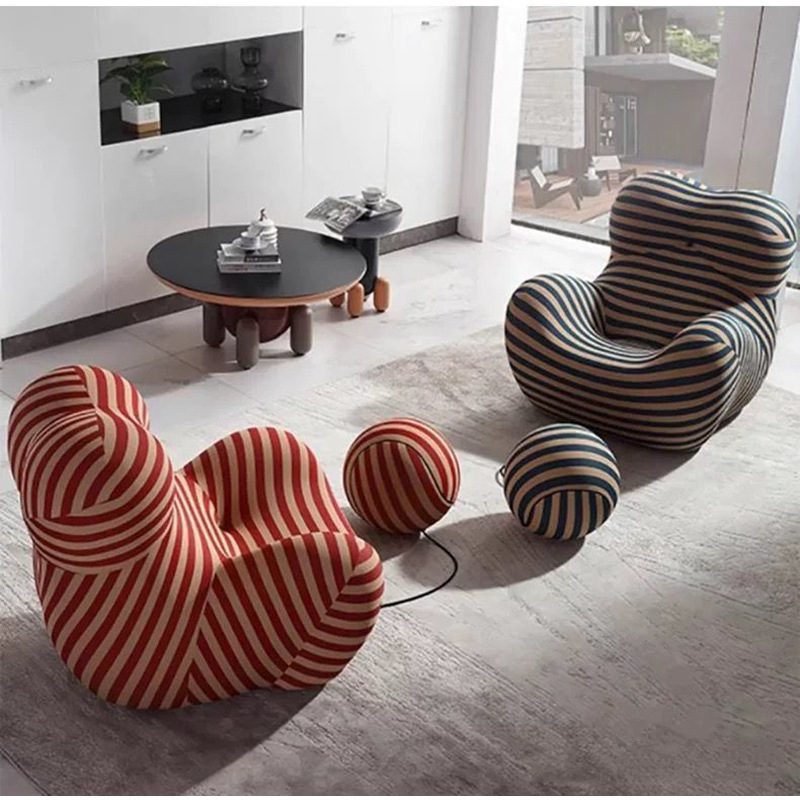
Welcome to 2026. Looking back from the midpoint of this new decade, it’s clear that home is no longer just a shelter from the elements. It has evolved into a multi-dimensional ecosystem encompassing a health center, work hub, entertainment space, and personal sanctuary. The integration of technology, the urgent need for sustainability, and the post-pandemic focus on the “inner self” have collectively shaped today’s home design language. At OriMart Design, we are committed to transforming cutting-edge trends into personalized living experiences that are within your reach.
1. Proactive Health and Biophilic Design
The home of 2026 is a “silent health manager.” Design is no longer passively aesthetic, but actively promotes the physical and mental well-being of its inhabitants.
Smart Environmental Systems: Integrated systems that automatically adjust light color temperature to match circadian rhythms and monitor and optimize air quality (VOCs, PM2.5) are becoming standard in high-end homes.
Biophilic Materials: Extensive use of natural textures, clay walls and diatomaceous earth that regulate humidity, and copper fittings with antibacterial properties.
Sensory Healing Corners: Soundproof spaces designed for meditation, breathing exercises, or simple digital disconnection, equipped with immersive soundscapes and controllable visual focal points.
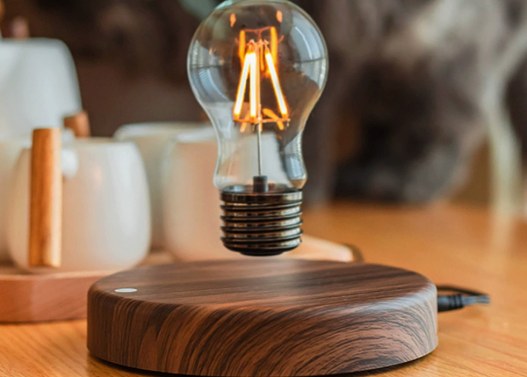
2. Hyper-Personalization and Affective Computing
With the maturation of AI and the Internet of Things, homes are beginning to truly “know” and “understand” their owners.
Key Features:
Adaptive Spaces: Through sensors and machine learning, the home environment can anticipate your needs – for example, automatically dimming the lights, playing soothing music, and adjusting the room temperature when you return home after a tiring day.
Digital-Physical Integration: AR (augmented reality) interfaces are integrated into mirrors or glass surfaces to display schedules, recipes, or art galleries, seamlessly interacting with the physical space and digital information flow.
“Emotional Archive” Design: Our designers will work closely with you to transform your personal memories, travel collections, or emotional symbols into unique spatial narratives through custom artwork, color stories, or material combinations.
3. Closed-Loop Ecosystems and Localized Materials
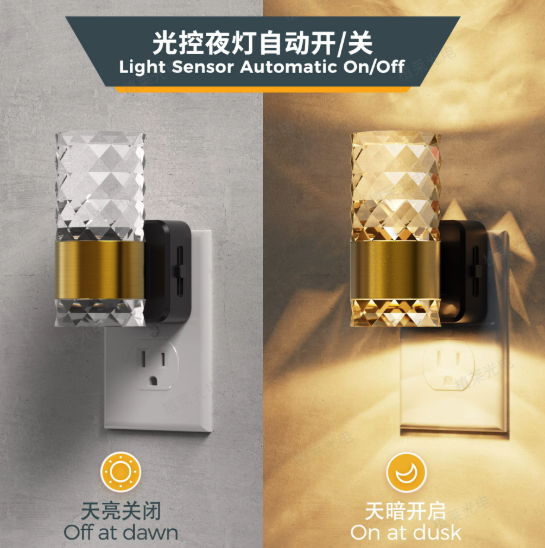
Sustainability has shifted from an “option” to a “necessity,” moving towards a deeper, more circular approach. Core Manifestations:
Material Passport: Creating a traceable “passport” for every piece of wood and every tile used in the home, recording its origin, composition, and recyclability, providing data for future disassembly and reuse.
Local Manufacturing and Upcycling: Prioritizing objects made by local artisans and products made from recycled materials (such as recycled glass countertops and marine plastic composites), reducing the carbon footprint and supporting the community economy.
Home Micro-Ecosystem: Indoor vertical planting walls not only serve an aesthetic purpose but also become a micro-food source, combined with a smart water recycling system to form a small closed loop.
4. Multifunctional “Transforming” Spaces with Blurred Boundaries
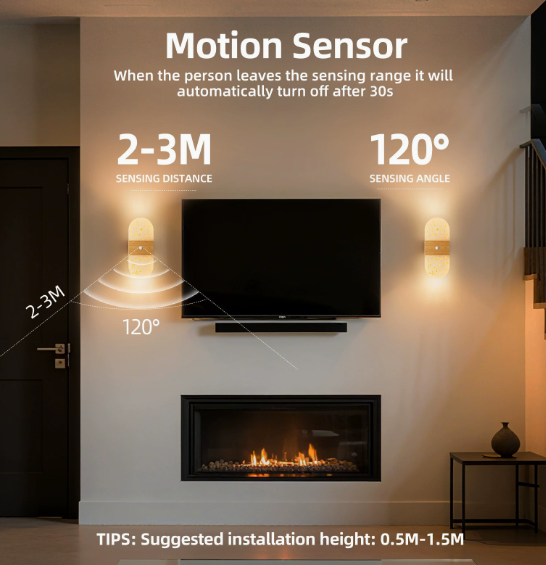
In today’s era of normalized remote and hybrid work models, spaces must be intelligently versatile.
Core Manifestations:
Mechanized Transforming Furniture: Bookcases slide open to reveal a home office via a button or voice command, sofa beds convert into fitness areas, and dining tables can be raised and lowered and integrated with wireless charging modules.
Acoustic and Visual Partitions: Using movable sound-absorbing partitions, gradient glass, or smart switchable glass to quickly and quietly create private areas within an open layout.
Third Space Integration: Creating “third spaces” in the home similar to a café patio or library lounge area, providing necessary scene changes for work and life.
5. Retro-Technicism and Digital Detox Corners
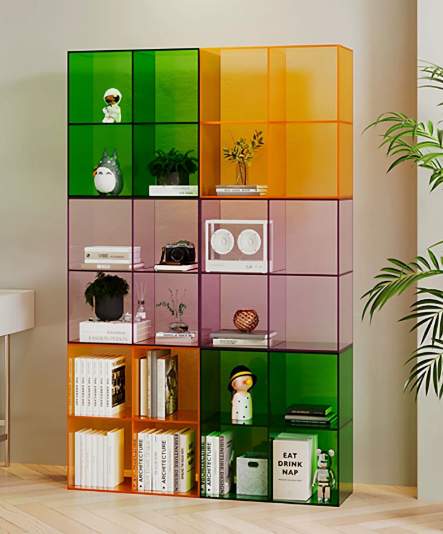
An interesting dialectical trend is emerging: on the one hand, embracing cutting-edge technology, and on the other hand, deliberately preserving or reviving the tactile feel of “low-tech.”
Core Manifestations:
Retro-Futurism: Combining the fluid lines of mid-century modernism with today’s smart functions, using warm wood, metal, and fabrics to soften the “coldness” of technological devices.
Mandatory “Disconnection” Design: Specifically planning areas without power outlets and with wireless signal shielding to encourage reading, face-to-face conversation, and deep relaxation.
The Joy of Physical Interaction: Manually adjustable switches, bookshelves requiring physical browsing, and vinyl record players are making a strong comeback, providing a sense of touch and ritual.
Conclusion
The home of 2026 is essentially an “extended self.” It is sensitive, intelligent, sustainable, and full of personality. At OriMart Design, we believe that excellent design is the bridge to this profound transformation. We not only create a beautiful space for you, but we are also committed to building an ecosystem with you that can continuously grow, adapt, and nourish your future life.
Ready to define your home in 2026?
Contact us and start a conversation about future living with our forward-thinking design team.
Article written by: OriMart Design Editorial Team
Disclaimer: This article contains original content based on current trends and predictions. Please contact us for permission to reproduce.
