Our Location
304 North Cardinal St.
Dorchester Center, MA 02124

304 North Cardinal St.
Dorchester Center, MA 02124

introduction
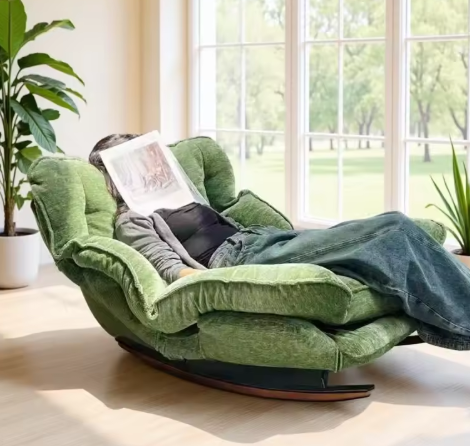
Within the design landscape of 2026, the most advanced design may not necessarily be the most “eye-catching.” The true frontier of design is shifting away from the pursuit of formalistic statements toward the creation of an “invisible fluidity.” When technology reaches a sufficient level of maturity—and our understanding of human needs becomes sufficiently profound—exceptional design becomes “invisible.” It is no longer perceived as a distinct, standalone entity; rather, much like light itself, it integrates seamlessly and naturally into the fabric of daily life. At OriMart Design, we believe this represents the highest echelon of design: serving humanity, rather than merely serving as a vehicle for self-promotion.
1. The Disappearance of Interaction: From “Operation” to “Response”
We are bidding farewell to interaction paradigms that require us to learn, search, or memorize specific steps.
Everyday Scenarios: You no longer need to hunt for a light switch or launch a specific app. As you approach the window, the curtains automatically—and gently—part, adjusting their movement based on the intensity of the outdoor light and your daily routine. In the kitchen, the moment you reach for the remote control, hidden cabinet lights automatically illuminate, casting a perfect glow over the workspace. Through the interplay of sensors and pre-trained algorithms, the space anticipates your intentions and responds accordingly.
2. The “Embedded” Aesthetics of Technology
Technological products are no longer mere “visitors” within a space, but rather “native presences.”
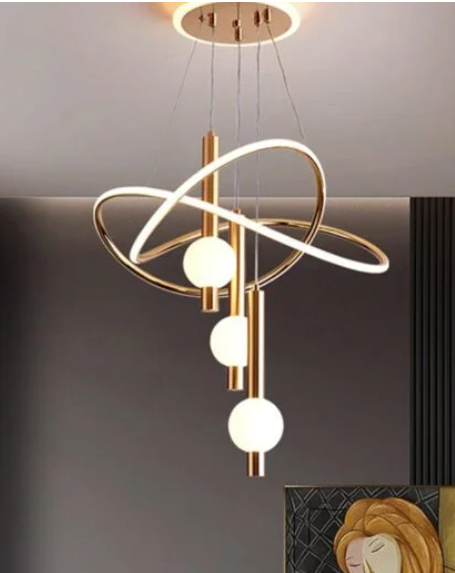
Everyday Scenarios: Displays are seamlessly integrated into wardrobe doors (serving dual functions as dressing mirrors and information/weather panels) and kitchen backsplashes (displaying recipes and video call feeds); they can even transform into digital art canvases with dynamic content. Charging interfaces are wireless and unobtrusive, while furniture surfaces themselves can double as charging pads.
Design Philosophy: Emphasizing material unity and formal cohesion. Technical components are designed as standardized structures that align holistically with the overall aesthetic language. They blend seamlessly with natural materials—such as wood and structural elements—thereby eliminating any sense of “plasticity” or “exposed hardware.”
3. The Environment as Narrative: A Harmonious Story of Light, Sound, and Warmth
The environment itself becomes the most potent regulator of mood and conveyor of information. Everyday Scenarios: In “Focus Mode,” lighting automatically shifts to a cool white hue, and a white noise system activates to minimize distractions. In “Home Theater Mode,” not only does the screen light up, but the ambient lighting also gradually dims to create a “starry sky” effect; simultaneously, the surround sound system activates, and the air conditioning fan automatically switches to silent mode.
Design Highlights: The design evolves from a singular visual project into the creation of a multi-sensory “environmental script.” Light, sound, temperature, and even scent are systematically orchestrated to craft a truly immersive experience.
4. Sustainable “Seamless” Design
Going beyond mere materials, this embodies a systemic “zero-waste” mindset.
Daily Scenario: Modular furniture allows you to effortlessly swap out worn-out cushions or panels, or even disassemble and replace an entire sofa unit. An embedded water recycling system collects greywater from washing for use in toilet flushing or watering plants—a process that takes place quietly and invisibly within the walls.
Design Highlights: From its inception, this design has embraced a “lifecycle philosophy.” By utilizing standardized interfaces, intuitive structural layouts, and components that are easy to maintain and upgrade, “repair” and “renewal” take precedence over “disposal,” establishing sustainability as the silent, underlying logic of the entire system.
5. Personalized “App-like” Environment
Space is no longer a static stage backdrop, but rather an organism that “breathes” and “transforms” in response to its owner’s mood and needs.
Daily Scenario: A smart system learns through anonymous behavioral data, presenting an efficient and minimalist visual environment in the morning (e.g., tidying away clutter and highlighting the workspace), while seamlessly switching to a cozy, intimate mode on weekend evenings (dimming the main lights, illuminating accent lighting, and playing a favorite music playlist).
Design Highlights: The design offers flexible, parametric “labor” capabilities and a rich “element library,” enabling the space to undergo gentle, automated reconfiguration based on default algorithms and the homeowner’s specific habits.
Conclusion:
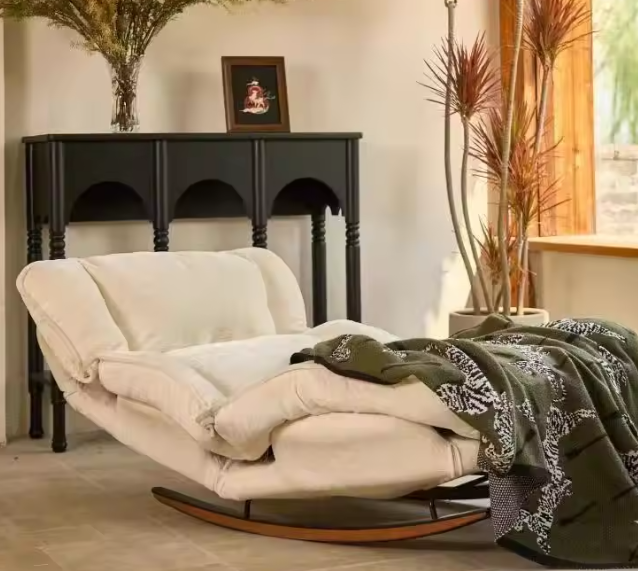
By 2026, the perceptual dimension of “design”—shifting from merely “how it looks” to “how it resonates with my feelings and seamlessly supports my life”—will have fully taken hold. Invisible Design is crafted with care, imbued with respect, and centered on the human experience. It does not vie for the spotlight but rather offers support; it does not introduce complexity but instead dissolves structure. At OriMart Design, we are dedicated to becoming the architects of this “invisible fluidity.” We partner with you to delve into the unspoken layers of daily life, leveraging our expertise and mindful technologies to transform them into a reality that is serene, vibrant, and free of anxiety. For the finest design is that which allows you to completely forget the very existence of a “design moment,” while simultaneously enriching every aspect of your life.
Discover the power of Invisible Design and rediscover the true essence of living.
Schedule an immersive consultation on the future of living, and let us craft your ideal home together—invisible, yet ever-present.
